

Nestled along Morocco’s Atlantic coast, Essaouira—formerly Mogador—offers a harmonious blend of music, art, and maritime charm. Known as the “Bride of the Atlantic,” this coastal city holds UNESCO World Heritage status. The soul of Essaouira lies in its cultural richness and vibrant artistic life, which continue to captivate visitors from around the world.
Music: The Rhythms of Essaouira
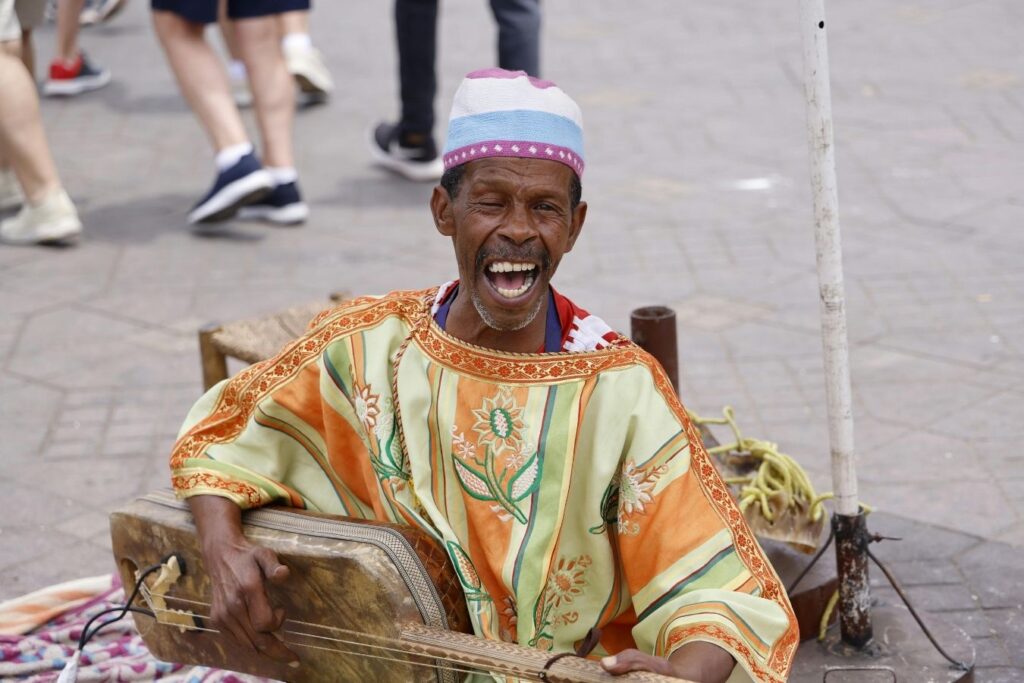
Essaouira’s music pulses with the spirit of Gnaoua heritage. Gnaoua music blends sub-Saharan African, Berber, and Arab traditions. It’s known for hypnotic rhythms and spiritual energy.
The city comes alive each June during the Gnaoua World Music Festival. This major event draws thousands of visitors. Renowned Gnaoua musicians share the stage with international artists, creating an unforgettable fusion of traditional and modern sounds.
Even outside the festival, Gnaoua rhythms fill the air. In the medina and around Moulay Hassan Square, live performances often take place. Visitors regularly stumble upon spontaneous jam sessions or intimate street concerts, all revealing Essaouira’s musical soul.
Art: A Canvas of Culture
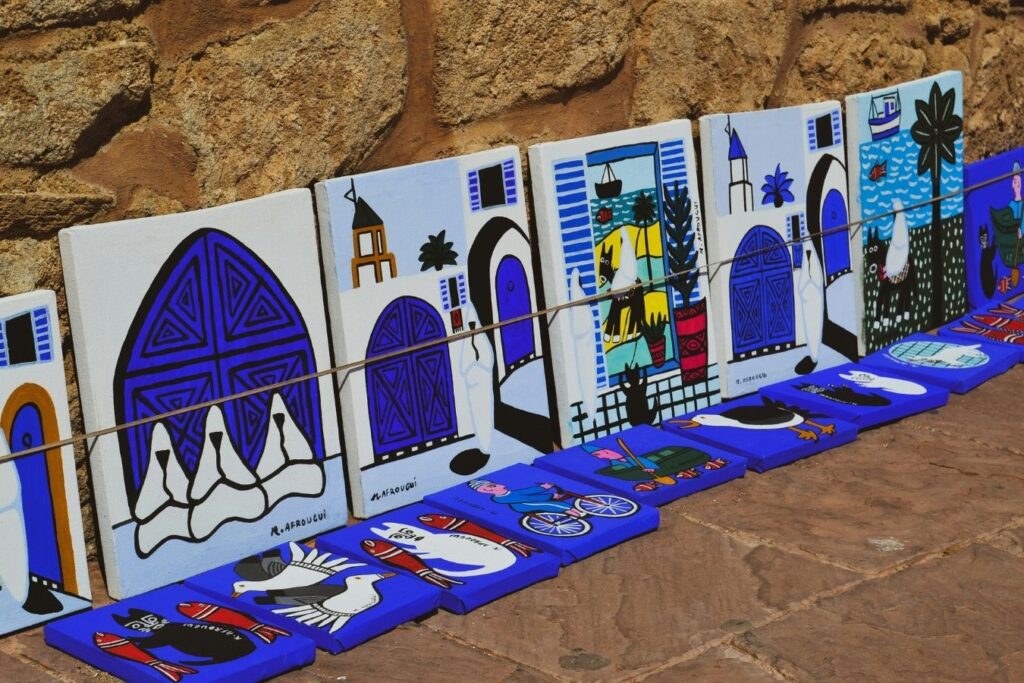
Essaouira’s art scene reflects its layered cultural identity. The city gained artistic momentum in the late 20th century, largely thanks to Danish art dealer Frédéric Damgaard. In 1988, he opened the city’s first gallery and introduced the world to the “Singular Artists” of Essaouira—self-taught painters and sculptors inspired by tradition and spirituality.
Today, visitors can explore many art galleries and studios across the city. Spaces like Galerie la Kasbah, Centre d’Art Le Real Mogador, and Galerie Damgaard highlight the diversity of Essaouira’s creative expression. Their collections range from contemporary artwork to folk crafts rooted in heritage.
Sea: The Atlantic’s Embrace
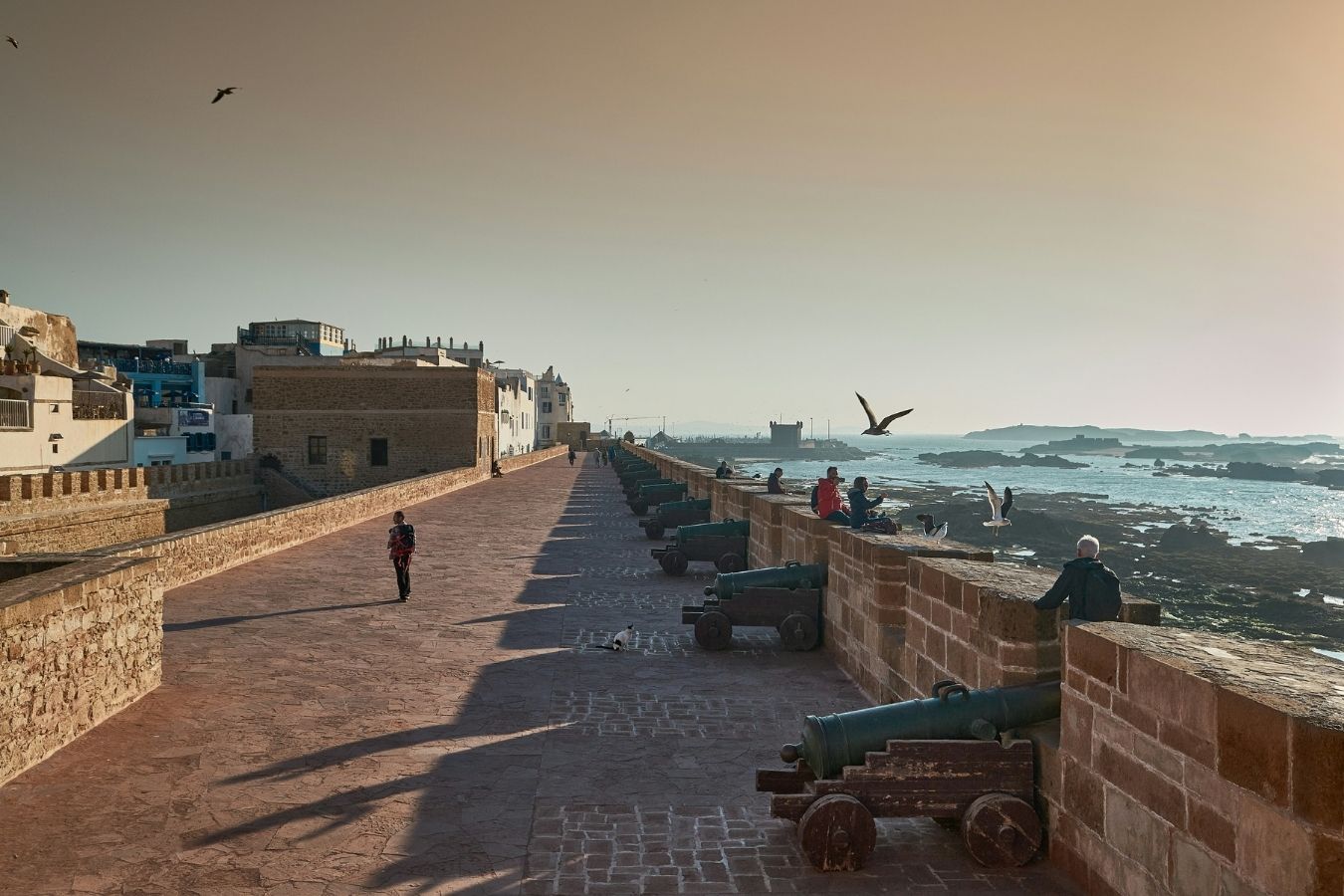
The Atlantic shapes Essaouira’s identity. The Skala de la Ville, a historic sea bastion, offers sweeping views of the coast and the city’s bustling fishing port.
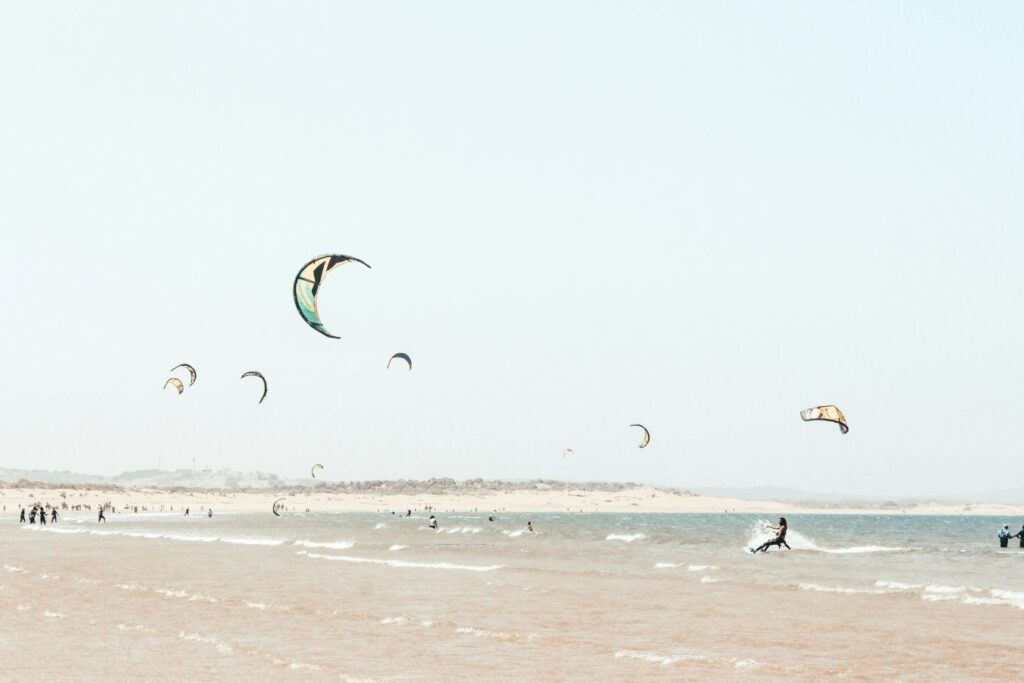
Essaouira’s beaches, including Sidi Kaouki and Cap Sim, attract surfers, kitesurfers, and windsurfers. The region’s steady winds and consistent waves make it an ideal water sports destination.
Nearby, the Île de Mogador—or “Purple Isles”—adds to the coastal allure. This protected nature reserve shelters many bird species, including the rare Eleonora’s falcon. Though uninhabited and closed to visitors, the island invites exploration by sea. Local boat trips offer birdwatching and scenic views of its rugged beauty.
Essaouira weaves together music, art, and sea into a living cultural tapestry. Gnaoua rhythms echo through the streets. Local galleries showcase raw creativity. The Atlantic Ocean anchors the city in both history and daily life.
Whether you come for the beats, the brushstrokes, or the waves, Essaouira promises an experience filled with spirit, color, and depth. It stands as a glowing symbol of Morocco’s soulful diversity.
Related Reads
➤ Legzira’s Arches: What still Remains after the collapse?
➤ The Best Surf Spots in Morocco: Riding the Waves of the Atlantic

