

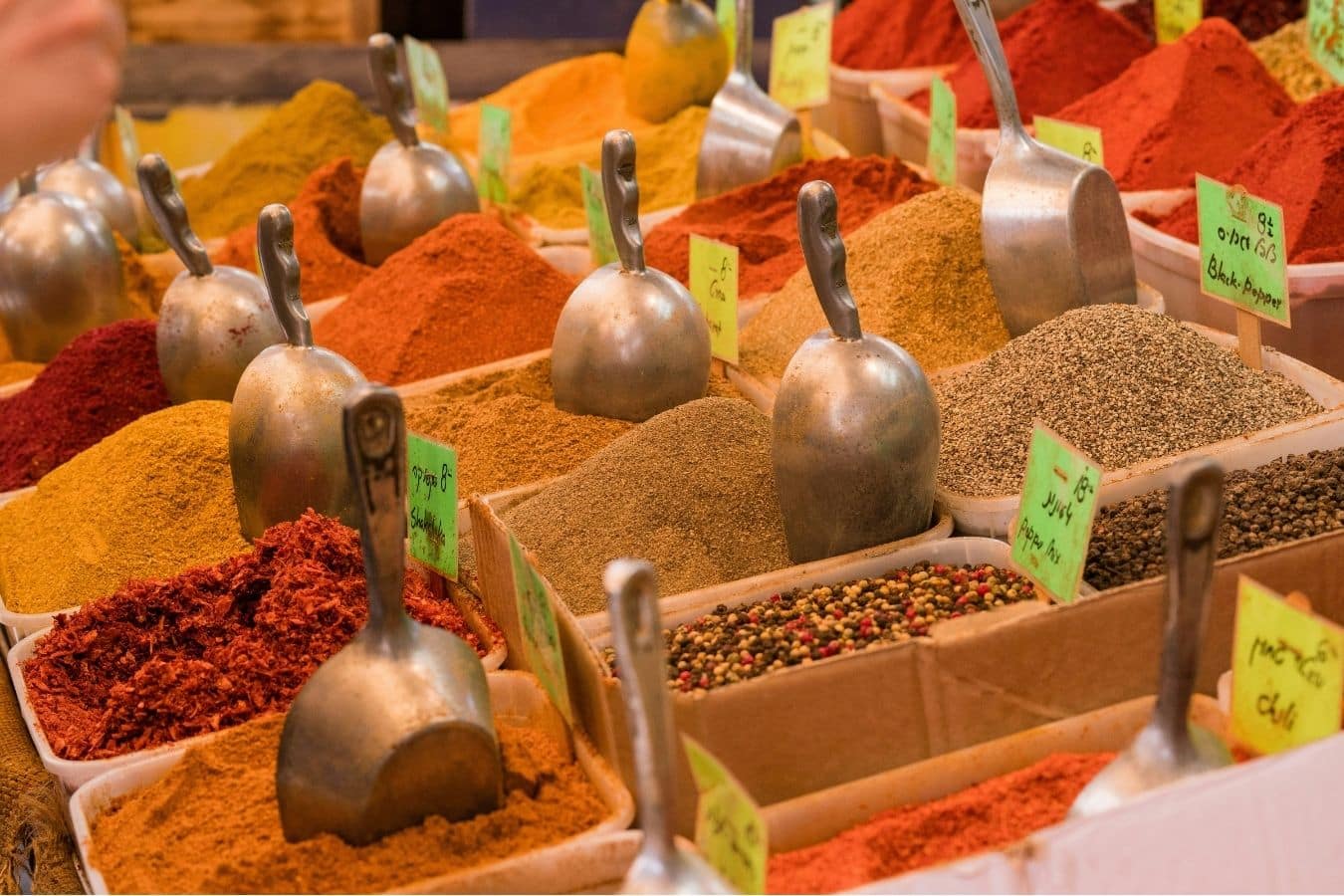
Moroccan cuisine bursts with rich flavors, aromatic spices, and a distinctive blend of ingredients passed down through centuries of history and cultural exchange. At the heart of every Moroccan dish—whether it’s the famous tagine or the fragrant couscous—lies a thoughtfully curated selection of spices. These spices not only form the soul of Moroccan cooking but also reflect the country’s diverse cultural heritage and its long-standing ties to global trade routes.
In this post, we will uncover the secrets behind Moroccan spices. We’ll explore their origins, culinary uses, and the essential roles they play in Moroccan traditions. From the fiery kick of cumin to the sweet warmth of cinnamon, these spices define the unique taste of this vibrant cuisine.
The Rich History of Moroccan Spices
Moroccan cuisine emerged from centuries of cultural exchange and trade. As a historical crossroads, Morocco welcomed influences from different civilizations. This convergence introduced a wide variety of spices—from Indian, Middle Eastern, and African origins—through trade routes such as the legendary Silk Road.
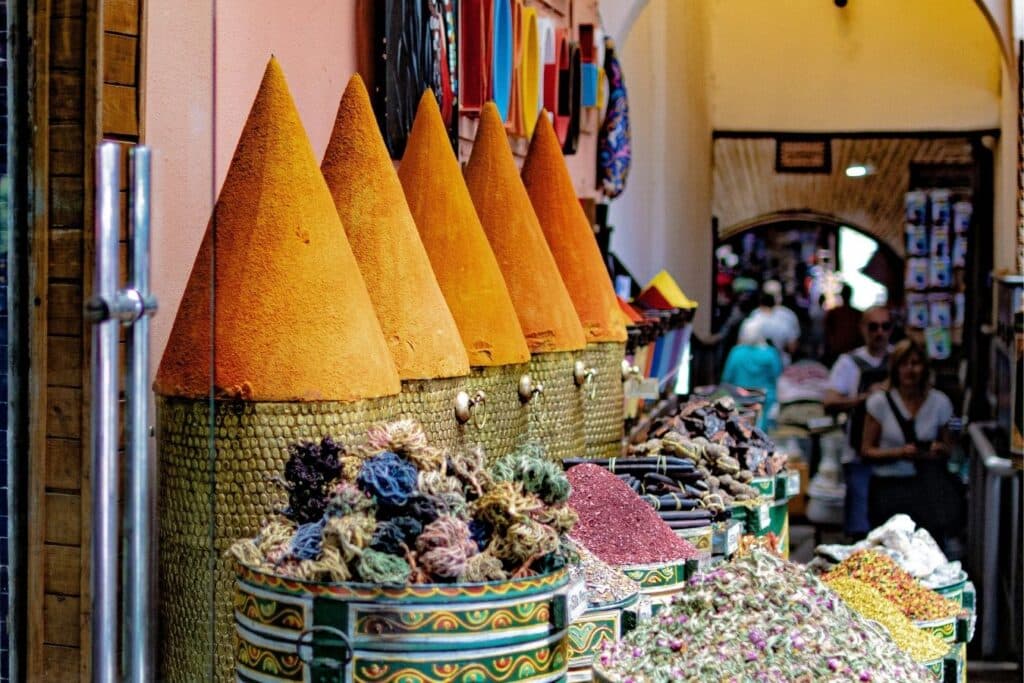
Today, you can experience this legacy firsthand in the medinas of cities like Marrakesh and Fez. There, bustling spice markets offer more than just ingredients. They serve as cultural centers, where the air fills with the scent of freshly ground spices and where generations of traders pass down their knowledge, traditions, and passion.
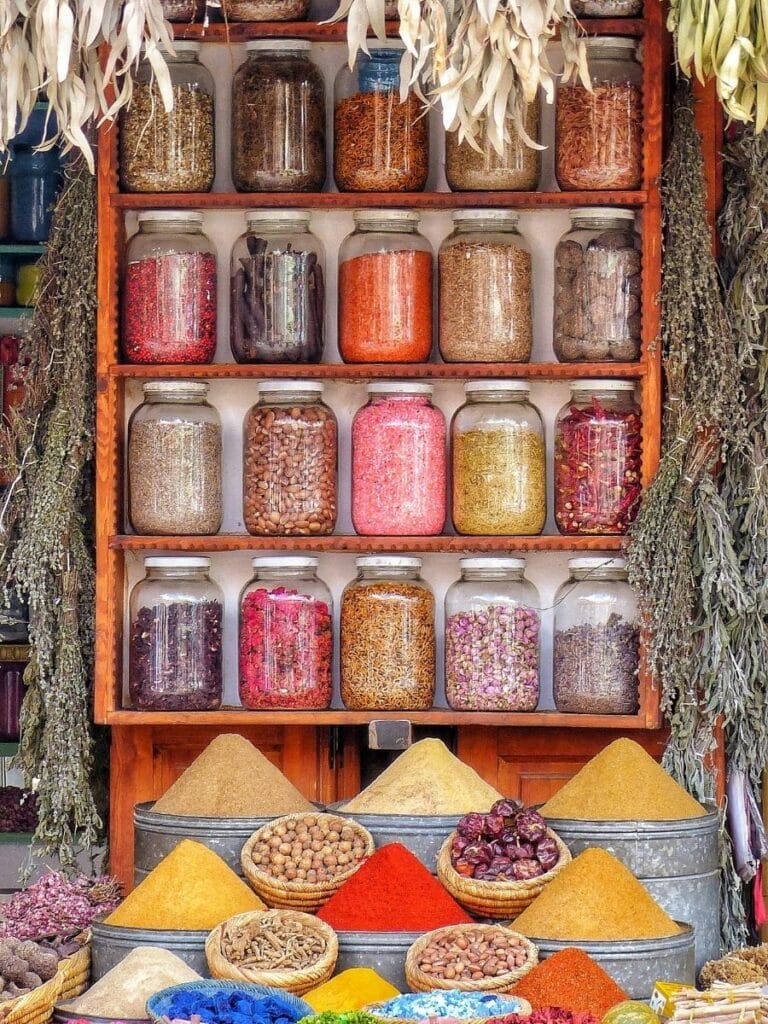
The Most Common Moroccan Spices and Their Uses
1. Cumin (Kamoun)
Cumin plays a foundational role in Moroccan cooking. Its earthy, slightly bitter flavor enhances a wide range of dishes, especially tagines, couscous, and harira (a traditional soup). Cooks frequently use it to season meats, vegetables, and salads.
Secret Behind Cumin:
Ancient civilizations once treasured cumin for its medicinal value. In Morocco, it remains popular for aiding digestion and boosting immunity. More importantly, it balances bold flavors and adds complexity to stews and sauces.
2. Cinnamon (Qerfa)
Cinnamon in Morocco goes far beyond desserts. While it appears in sweets like briouats and seffa, it also flavors savory dishes such as lamb and chicken tagines. Its warm, sweet-spicy profile brings richness and depth to Moroccan cuisine.
Secret Behind Cinnamon:
Used for centuries in Moroccan kitchens, cinnamon also supports health. It helps regulate blood sugar, reduce inflammation, and enhance metabolism. Its versatility explains why it features so prominently across sweet and savory dishes alike.
3. Saffron (Za’afran)
Saffron ranks among the world’s most expensive and prized spices—and Morocco is one of its top producers. Known for its floral notes and golden hue, saffron elevates dishes like couscous, tagines, and chicken with saffron into culinary art.
Secret Behind Saffron:
Saffron holds more than culinary value. It symbolizes luxury and tradition, reserved for festive or special occasions. Moroccan culture also prizes it for relieving stress, improving digestion, and supporting heart health.
4. Ras El Hanout
Ras El Hanout, meaning “head of the shop,” is a signature Moroccan spice blend. Often considered the finest product in a merchant’s inventory, it commonly includes cumin, coriander, ginger, turmeric, cinnamon, and cloves—though recipes vary widely by region and family.
Secret Behind Ras El Hanout:
This blend showcases the artistry of Moroccan spice-making. Every family and spice vendor has a unique version. Used in stews, vegetables, and meats, it provides unmatched depth and character—making it a secret weapon in Moroccan cooking.
5. Paprika (Tah’mira)
Although often linked with Spanish or Hungarian cuisines, paprika also holds an essential place in Moroccan cooking. It adds smoky depth to sauces, stews, and meats, especially dishes like mechoui (roasted lamb).
Secret Behind Paprika:
In Morocco, paprika enhances both taste and visual appeal. It delivers mild heat and bright color without overwhelming the dish. Additionally, it contributes antioxidant benefits that support a healthy diet.
6. Ginger (Skinjbir)
Ginger provides a peppery heat that deepens the flavor of Moroccan meat dishes. You’ll find it in both savory plates like lamb and chicken tagines and in sweet beverages like Moroccan mint tea.
Secret Behind Ginger:
Long celebrated for its healing powers, ginger helps reduce inflammation, ease digestion, and strengthen immunity. Its use in Moroccan cuisine reflects its dual role as both flavor enhancer and medicinal tonic.
The Role of Moroccan Spices in Health and Well-being
Beyond their culinary power, Moroccan spices serve as natural remedies. Generations have relied on them not just to enhance food, but to heal the body. For example, turmeric and ginger fight inflammation, while cinnamon and saffron supply antioxidants and promote blood circulation.
Indeed, Moroccan cuisine embraces a philosophy of “food as medicine,” where spices become tools for nourishment, balance, and longevity.
The Art and Mystery of Moroccan Spices
Moroccan spices are more than ingredients—they are living artifacts of culture, nature, and tradition. From the aromatic ras el hanout to the soothing notes of saffron and the fiery punch of ginger, each spice tells a story deeply rooted in Moroccan life.
Visit any spice market in Morocco, and you’ll witness this heritage in motion. Vendors call out their blends, the air swirls with scent and color, and every spice stall reveals Morocco’s deep connection to the earth and its flavors.
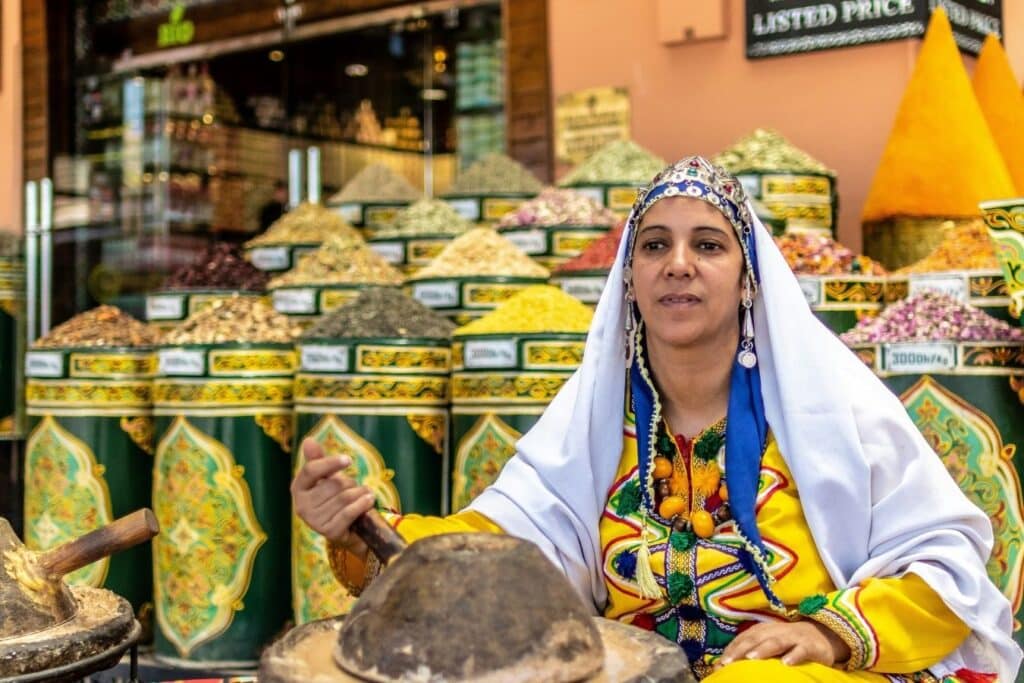
As you continue to explore Moroccan cuisine, remember: every pinch of spice brings with it centuries of wisdom, connection, and artistry. Whether you’re savoring a delicate couscous or sipping on a mint-infused tea, the spices of Morocco transform each meal into a cultural experience—one rich with tradition, flavor, and life.
 Related Reads