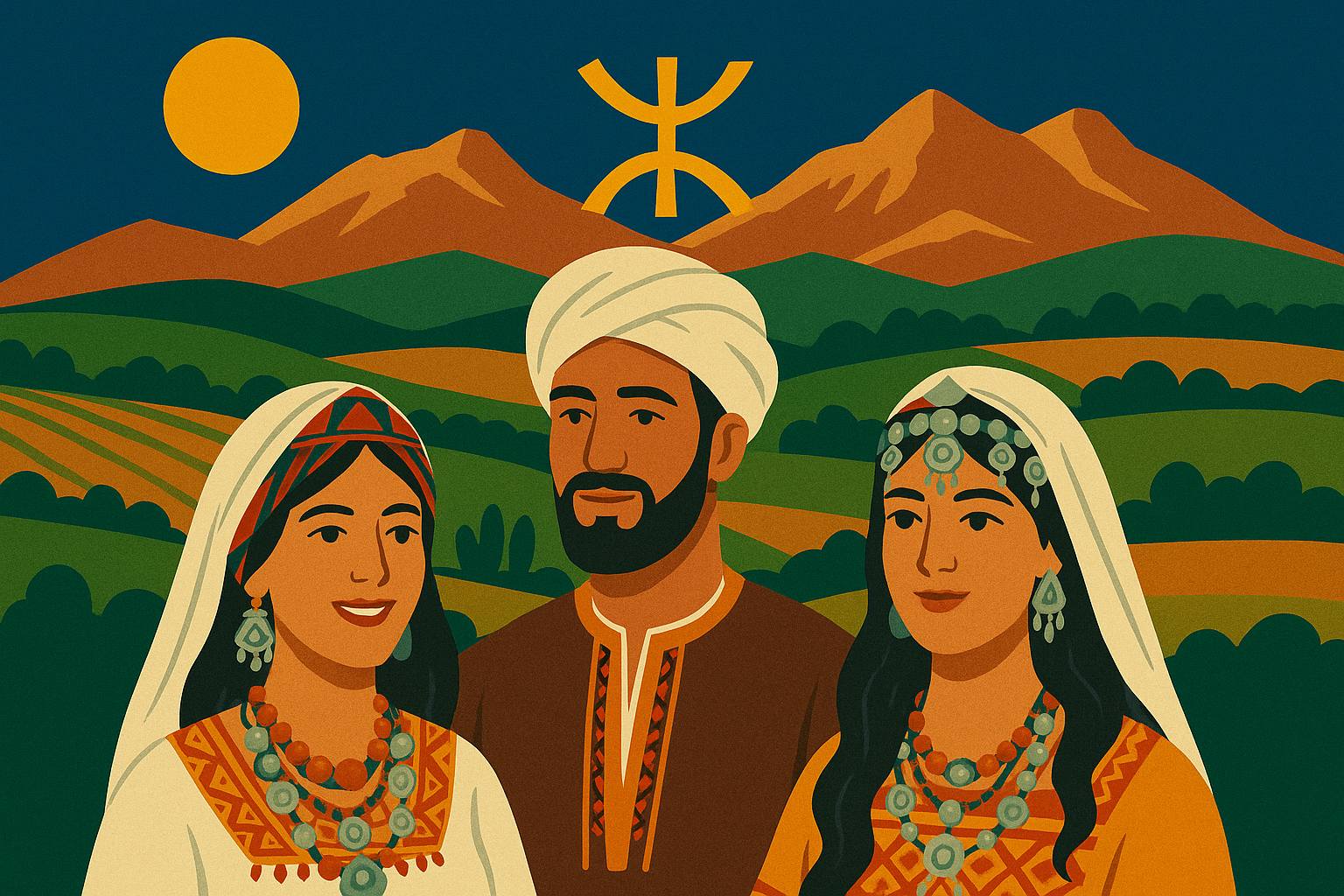
The Amazigh New Year, known as Yennayer, celebrates the rich history, culture, and identity of the Amazigh people—indigenous to North Africa. This ancient festival marks the start of the Amazigh lunar calendar and is embraced with pride and joy by communities in Morocco, Algeria, Tunisia, and beyond.
Yennayer isn’t just a date on the calendar. It reflects Amazigh heritage—a deep bond with the land, the seasons, and centuries-old traditions. This post explores the meaning of Yennayer, how it’s celebrated, and why it matters deeply to Amazigh communities.
The History of Yennayer: A Symbol of Amazigh Identity
Yennayer usually falls on January 12th (or 13th in some years) and marks the first day of the Amazigh year. Its roots go back more than 2,900 years, linked to the Agricultural Revolution and ancient tribal customs.
The Origin of the Calendar
The Amazigh calendar, also called the Berber calendar, follows both lunar and solar cycles. It aligns closely with nature and farming rhythms. Yennayer signals the start of the traditional harvest cycle, a vital moment in Amazigh agricultural life.
Although its precise origin is unclear, many scholars connect Yennayer to old agricultural festivals. These marked the start of planting, the renewal of life, and the earth’s fertility. Some even associate it with ancient deities and rituals focused on nature’s cycles.
Why Yennayer Matters: A Celebration of Amazigh Culture
Yennayer goes beyond a new year. It’s a cultural celebration rooted in memory, land, and identity. Here’s why it continues to matter:
1. Honoring Nature’s Cycles
Yennayer reflects the Amazigh people’s harmony with nature. It marks a new agricultural cycle and invites reflection on the earth’s rhythms. People give thanks for the harvests that sustain life.
2. Preserving Amazigh Heritage
This holiday helps preserve Amazigh culture through language, music, dance, and food. It’s a chance to reconnect with ancient customs and assert identity in a world that often overlooks indigenous voices.
Despite historical challenges in Morocco and elsewhere, Yennayer offers a time to celebrate and protect this living heritage.
3. Strengthening Family and Community
Yennayer is a family-centered event. People gather to eat, share stories, and celebrate together. A special dish—Amazigh couscous with meats and vegetables—symbolizes the land’s abundance and marks the new year.
How Yennayer Is Celebrated: Traditions and Customs
Yennayer celebrations vary by region but share key traditions.
1. The Feast of Yennayer
Families prepare a large feast to welcome the new year. Amazigh couscous, often made with seven vegetables and lamb, is the centerpiece. In some areas, dried fruits or local ingredients are added. Mint tea, a staple of Amazigh hospitality, completes the meal.
2. Music and Dance
Traditional music and dance are vital to the celebration. Instruments like djembe drums and flutes fill the air. People of all ages join in the Ahidus—a circle dance that symbolizes unity and joy.
3. Wearing New Clothes
Wearing new garments marks renewal and the hope for prosperity. Children often receive small gifts, highlighting the spirit of new beginnings.
4. Yennayer in Cities and Villages
Though rooted in rural traditions, cities like Agadir now hold public events, festivals, and exhibitions to mark Yennayer. These urban celebrations invite broader participation in honoring Amazigh heritage.
Yennayer: A Time for Unity and Renewal
For the Amazigh, Yennayer represents resilience, identity, and renewal. It blends cultural and spiritual elements, encouraging reflection and connection with the earth and community.
Whether celebrated in a mountain village or city square, Yennayer unites Amazigh people. It strengthens cultural bonds and inspires the preservation of their heritage for future generations.
The Heart of Amazigh Identity
Yennayer is more than a new year. It’s a living expression of Amazigh identity and a tribute to life’s natural rhythms. Through food, music, and storytelling, families celebrate their deep ties to the land and their ancestors.
As the festival spreads across North Africa, it remains a cherished moment to embrace tradition, celebrate unity, and welcome the year ahead with hope and joy.
 Related Reads
 Related Reads
➤ Amazigh Identity: Between Marginalization and Resilience
➤ The Symbolism Behind Amazigh Tattoos: A Rich Cultural Tradition
➤ History & Identity: The Heartbeat of Morocco’s Rich Heritage