The Sacred Cedars: Guardians of Morocco’s Mountains

You are currently viewing The Sacred Cedars: Guardians of Morocco’s Mountains

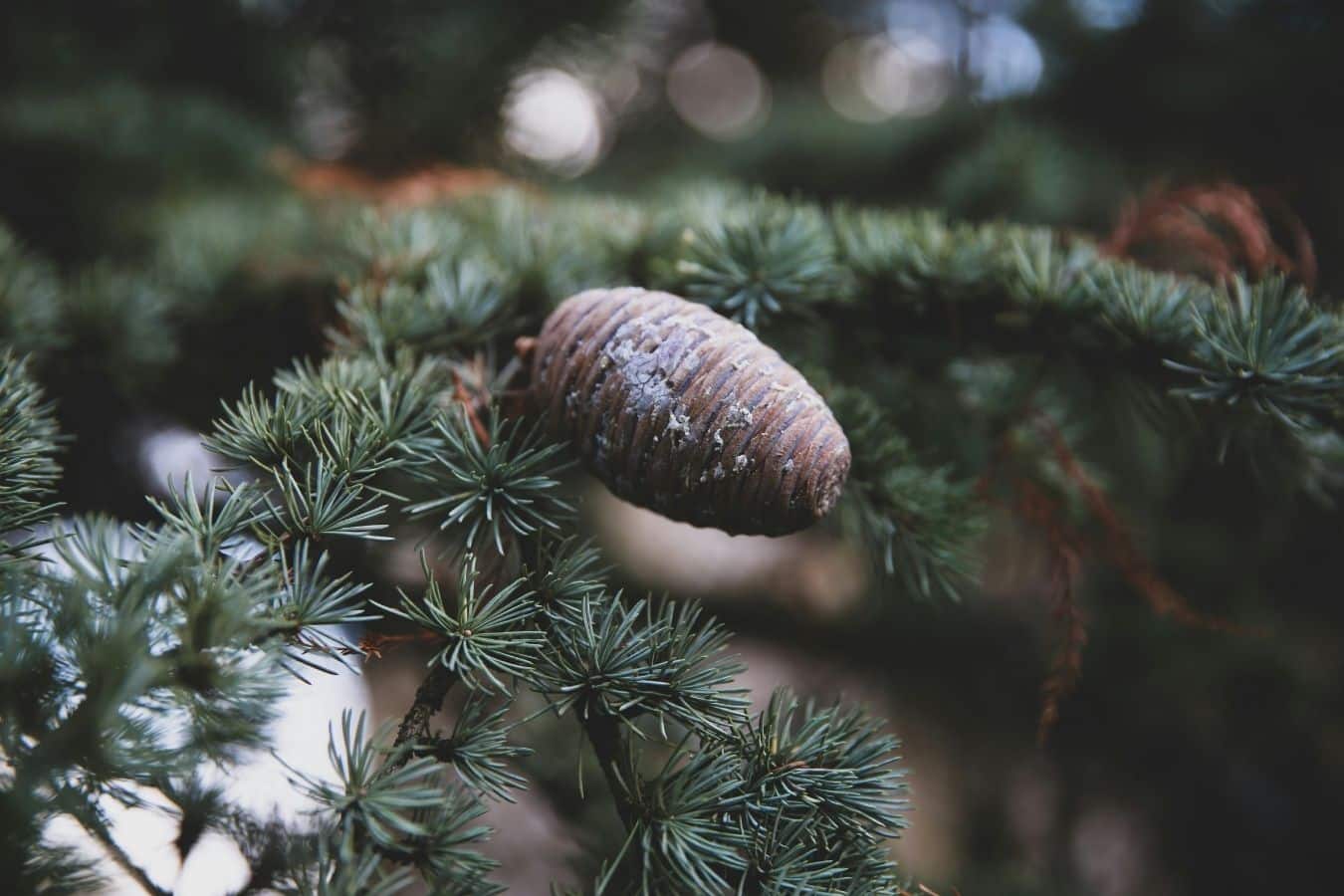
Nestled in the heart of Morocco’s mountainous landscapes, the sacred cedar trees are more than just a symbol of natural beauty—they are revered guardians of the High Atlas and Middle Atlas mountains. These ancient trees have long been a source of inspiration, shelter, and spiritual significance for the people who live in the mountains, offering a sense of timeless connection between nature and culture.

The cedar forests of Morocco, particularly those in regions like Ifrane and Azrou, are home to some of the most magnificent and ancient cedar trees in the world. These towering giants play a crucial role in maintaining the ecosystem, supporting local wildlife, and shaping the landscape. But beyond their environmental importance, the cedars are woven deeply into the cultural fabric of Morocco, particularly among the Amazigh communities who consider them sacred.

In this post, we’ll explore the significance of Morocco’s sacred cedars, their ecological importance, and the deep spiritual and cultural ties that Moroccans have with these majestic trees.

The Ecological Importance of Morocco’s Sacred Cedars

Morocco is home to some of the last remaining cedar forests in North Africa, particularly in the Middle Atlas and High Atlas mountains. These forests are vital to the environmental health of the region, providing numerous ecological benefits that are crucial for maintaining the balance of the local ecosystem.

1. Protecting the Soil and Preventing Erosion

The roots of the cedar trees play a vital role in preventing soil erosion by binding the soil together, especially on the steep slopes of the mountains. This helps to maintain the integrity of the land and ensures that the mountain ecosystems remain stable. The dense canopy of the cedars also provides shade, which helps to retain moisture in the soil, allowing other vegetation to thrive.

2. Habitat for Local Wildlife

The sacred cedar forests of Morocco are home to a variety of wildlife species, including Barbary apes, wild boars, and many bird species. The tall, dense trees provide shelter, food, and protection for these animals, making the cedar forests crucial for biodiversity. The Barbary macaque, in particular, is one of the most iconic creatures that inhabit these forests, and the cedars play a key role in preserving their habitat.

3. Climate Regulation

The cedar forests also contribute to climate regulation by acting as carbon sinks. As the trees grow, they absorb carbon dioxide from the atmosphere, helping to mitigate the effects of climate change. In addition, the presence of such large forests helps to regulate temperature and humidity in the surrounding areas, making the environment more habitable for both humans and animals.

Cultural Significance: The Sacred Role of Cedars in Moroccan Traditions

In Morocco, the cedar trees are not only admired for their environmental contributions but are also deeply intertwined with the country’s cultural heritage. For centuries, these majestic trees have been regarded as sacred, with many local communities believing that they possess special powers. The Amazigh people, in particular, have long considered the cedars to be guardians of the mountains and their spirits to be protectors of the land.

1. Spiritual and Religious Symbolism

The sacred cedars are revered in Amazigh spirituality as symbols of strength, endurance, and protection. Many Amazigh communities believe that the trees are imbued with spiritual energy, and some even hold rituals and ceremonies in or near the forests to honor the spirits of the cedars. The trees are considered protectors of the land, and their presence is seen as a sign of divine favor.

2. Use in Traditional Healing

Cedar wood and cedar oil have been used for centuries in traditional Moroccan medicine. The wood of the cedar tree is believed to have healing properties, and it is often used in the preparation of herbal remedies for conditions like arthritis, respiratory issues, and digestive problems. The leaves and resin of the tree are also used in rituals and incense, believed to purify spaces and protect against negative energies.

3. Connection to Moroccan Identity

The cedar forests hold a special place in the collective memory of the Moroccan people, representing the natural beauty and timeless heritage of the country. The forests are often seen as symbols of the connection between people and nature, and the act of caring for and preserving these trees is deeply tied to the Moroccan identity.

The city of Ifrane, located near the largest cedar forest in Morocco, is sometimes called the “Switzerland of Morocco” due to its beautiful landscapes, which are dominated by the cedar trees. This region has long been a popular destination for locals and visitors alike who come to experience the tranquility and beauty of the sacred forests.

The Cedar Forests in Morocco’s Tourism Industry

While the sacred cedars of Morocco are first and foremost important for their ecological and cultural roles, they have also become an increasingly important aspect of Morocco’s tourism industry. Visitors from all over the world come to Morocco to explore its diverse landscapes, and the cedar forests, particularly in areas like Ifrane and Azrou, are a must-visit destination for nature lovers and adventure seekers.

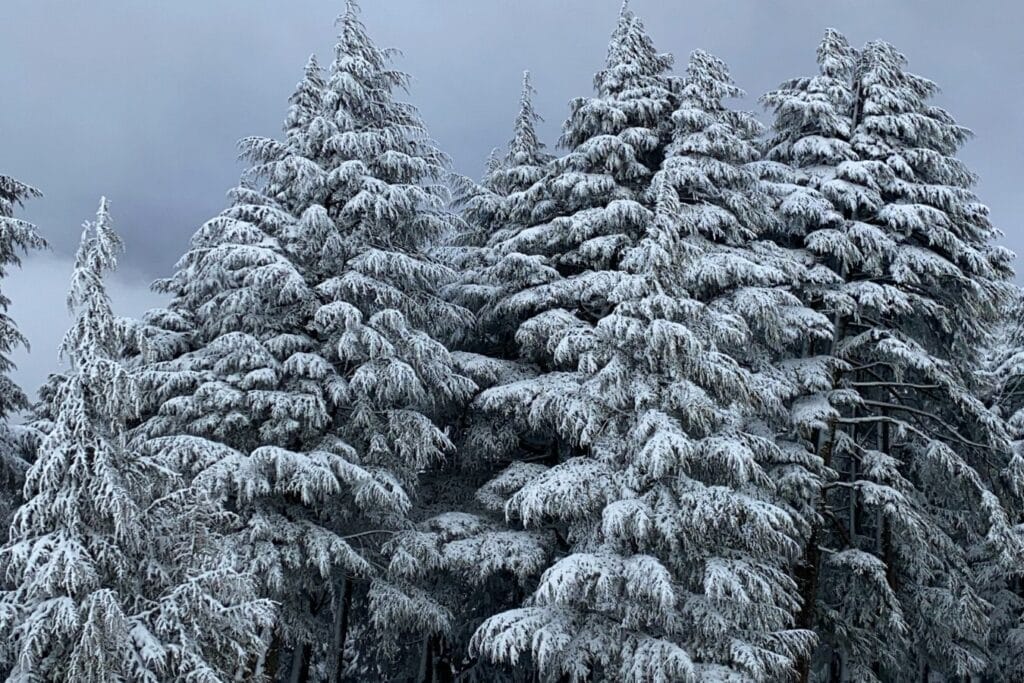
Snow-covered cedar trees in the Middle Atlas Mountains of Morocco during winter.

1. Ecotourism and Outdoor Activities

The cedar forests offer a range of ecotourism opportunities. Visitors can enjoy hiking, bird watching, and wildlife observation while exploring the forests. The Barbary macaques, in particular, are a major attraction, with many tourists visiting the area to see these endangered primates in their natural habitat.

2. Cultural Experiences

In addition to its natural beauty, the cedar forests also offer cultural experiences for visitors interested in learning more about the Amazigh way of life. Many local Amazigh guides lead tours through the forests, offering insights into the spiritual significance of the cedars, as well as their traditional use in daily life.

The nearby town of Azrou is also known for its traditional markets, where you can purchase handcrafted goods made from cedar wood, including furniture, carvings, and artifacts. These items not only support local artisans but also provide visitors with a tangible connection to the cedar trees and the Amazigh culture.

Protecting the Sacred Cedars: Challenges and Conservation Efforts

Despite their cultural and environmental importance, the sacred cedar forests of Morocco face several challenges, including deforestation, climate change, and overgrazing by livestock. These threats endanger the long-term survival of the trees and the ecosystem they support.

1. Deforestation and Climate Change

As Morocco’s population grows and urbanization expands, the demand for wood and land increases, leading to the depletion of the cedar forests. Additionally, climate change is altering the landscape, with rising temperatures and changing rainfall patterns affecting the growth and health of the trees.

2. Conservation Efforts

To combat these challenges, various conservation initiatives have been put in place to protect Morocco’s sacred cedars. The Moroccan government, in collaboration with local NGOs and international conservation groups, is working to preserve these forests through reforestation projects, sustainable management practices, and increased awareness of the importance of protecting the environment.

In addition, many local communities are actively involved in the protection of the cedars, with initiatives aimed at reducing overgrazing, illegal logging, and wildfires. These efforts are essential to ensuring that the sacred cedar forests remain a thriving part of Morocco’s natural and cultural heritage for future generations.

The Sacred Cedars—Guardians of Morocco’s Future

The sacred cedars of Morocco are more than just trees—they are integral to the country’s environment, culture, and identity. These towering giants have stood the test of time, offering both physical and spiritual sustenance to the people of Morocco. As we move forward, it is essential that we recognize the value of these forests, protect them from the threats they face, and continue to celebrate the deep connection between the Moroccan people and their natural heritage.

By preserving the sacred cedars, Morocco ensures that future generations will continue to benefit from the ecological, cultural, and spiritual benefits they provide. These trees are not just guardians of the mountains—they are guardians of the future of Morocco.

📚 Related Reads

A Guide to High Atlas Valleys: Morocco’s Majestic Mountain Oases

The Majestic Beauty of Morocco’s Nature & Landscapes

➤ The Harvest Festivals of Morocco: Tribes celebrating bounty