Morocco’s medinas—those bustling, maze-like centers of commerce and culture—are full of vibrant energy. Yet behind the noise and narrow streets lie quiet, lush sanctuaries: the secret gardens of the medina. Tucked behind high walls and unmarked doors, these gardens offer a tranquil escape from the chaos of daily life.
These serene oases are more than decorative spaces. They embody Morocco’s long tradition of blending nature with architecture. In cities like Marrakesh, Fez, and Rabat, the medina often appears chaotic and overwhelming. Still, within this energy, hidden gardens invite peace, reflection, and connection to nature.
Rooted in Islamic garden design, these retreats celebrate balance, water, shade, and geometric harmony. Whether you step into a riad courtyard or palace garden, you experience a vital part of Moroccan heritage.
In this article, we’ll explore Morocco’s most iconic secret gardens, including Majorelle Garden and Udaya Garden. These spaces showcase the quiet beauty often overlooked in the country’s urban core.
The Role of Gardens in Moroccan Culture
Moroccan gardens carry deep cultural and spiritual meaning. They serve as spaces for reflection, rest, and spiritual renewal. Inspired by Islamic design, these gardens aim to balance natural and built environments.
Islamic gardens traditionally symbolize paradise, or Jannah. They feature water, shade, and symmetry to evoke peace and divine order. In Morocco, these elements appear in both public parks and private courtyards. Fountains, fragrant flowers, and dense greenery reflect the heavenly beauty these gardens strive to represent.
Majorelle Garden: A Botanical Oasis in Marrakesh
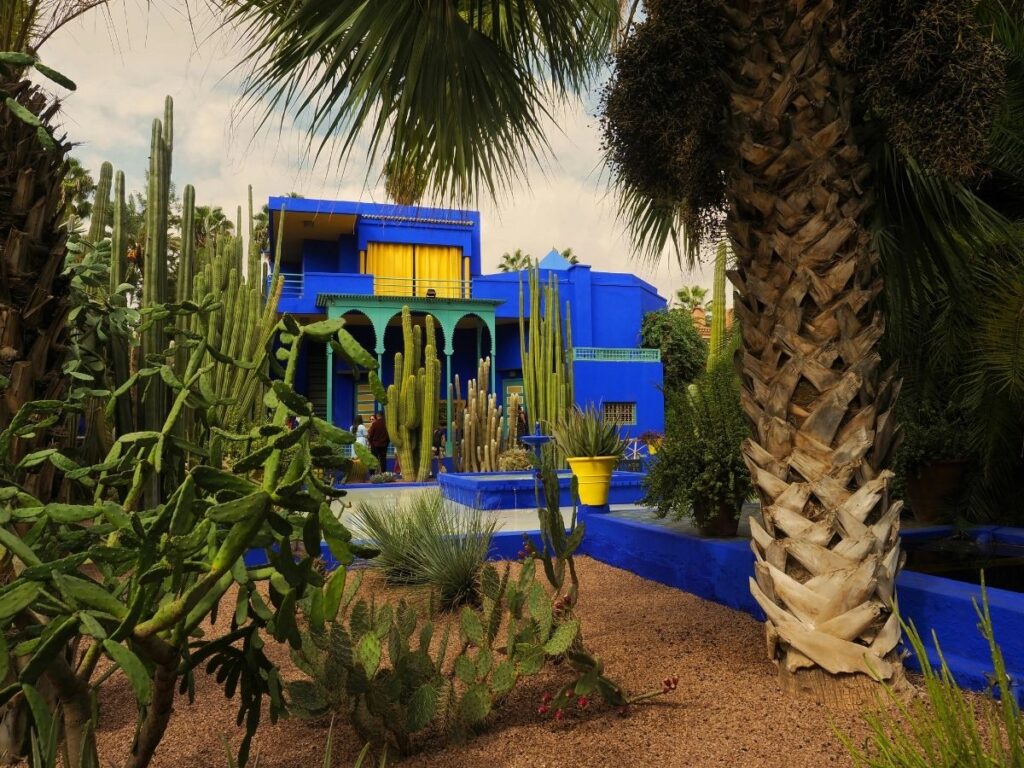
Majorelle Garden, one of Morocco’s most famous gardens, sits in the heart of Marrakesh. French artist Jacques Majorelle created it in the 1920s, combining Moroccan design with exotic plants and bold colors.
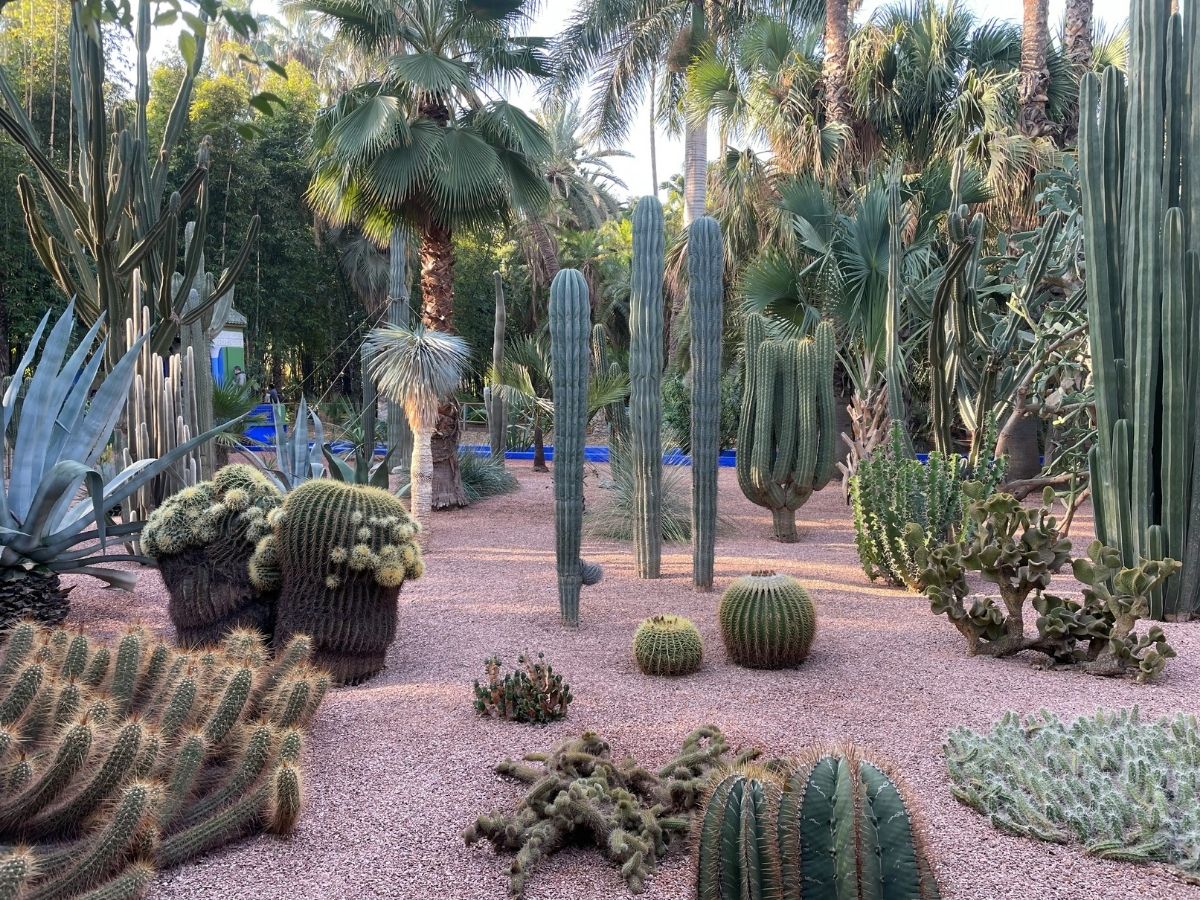
This garden is known for its electric “Majorelle Blue,” found on walls, planters, and fountains. The vivid blue contrasts with towering palms, cacti, and blooming bougainvillea. Water features, like fountains and tranquil pools, enhance the garden’s calm and contemplative mood.
Majorelle Garden also houses a museum dedicated to Amazigh (Berber) culture. It displays traditional jewelry, clothing, and artifacts. Now managed by the Yves Saint Laurent Foundation, the garden attracts visitors seeking nature, art, and cultural heritage.

Udaya Garden: Tranquil Beauty in Rabat
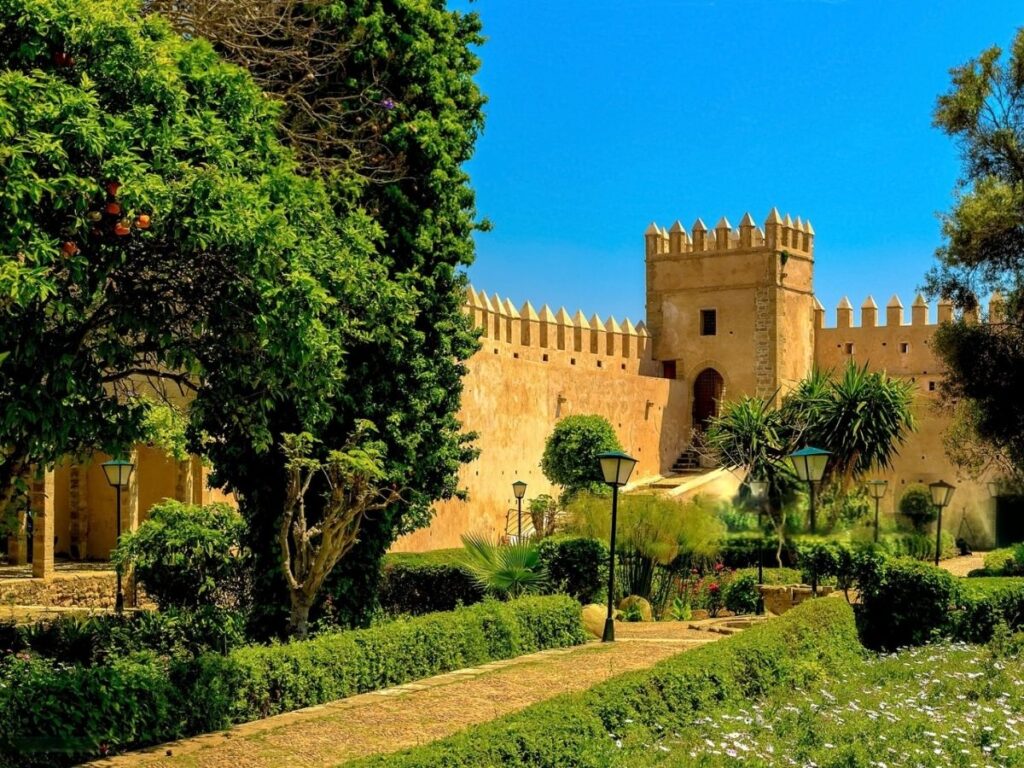
In Rabat’s historic Kasbah of the Udayas lies another peaceful retreat: Udaya Garden. Set within 12th-century walls, this garden offers calm and greenery in the heart of the capital. The Kasbah features narrow lanes, ancient buildings, and stunning Atlantic views.
Udaya Garden reflects Moroccan-Andalusian style. Visitors stroll among citrus trees, flowering shrubs, and stone paths lined with benches. A central fountain adds gentle sound and visual balance to the space.
The garden also offers sweeping views of the Bouregreg River and the ocean. Its symmetry and simplicity embody Islamic principles of harmony and serenity.
The Gardens of Marrakesh’s Riads: Hidden Oases of Tranquility
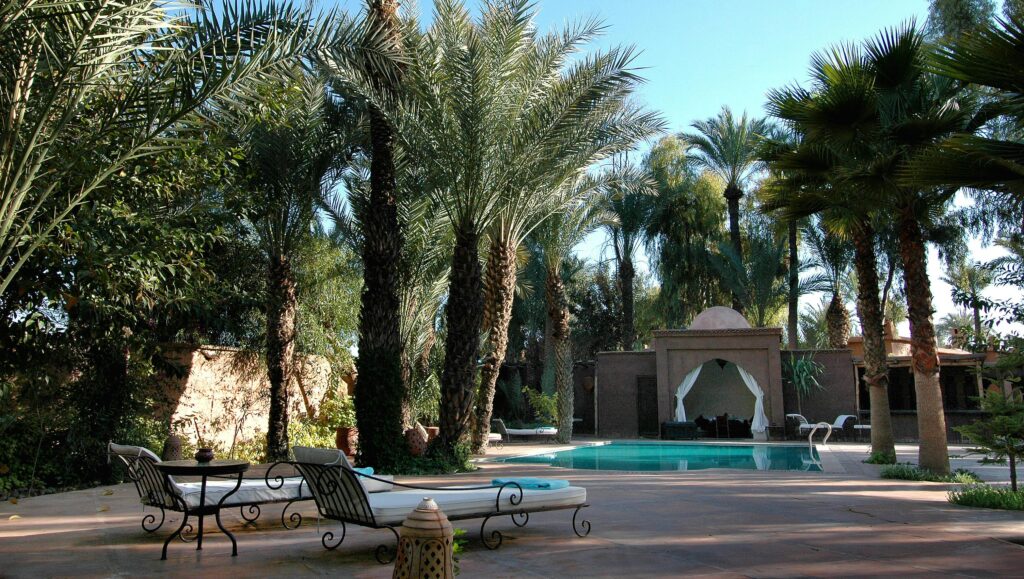
While Majorelle Garden is well-known, many riads in Marrakesh hide smaller but equally enchanting gardens. These courtyards, enclosed within traditional homes, provide peace and greenery behind the medina’s high walls.
Bahia Palace is a prime example. This 19th-century residence boasts some of Marrakesh’s most beautiful gardens. Designed with precise geometry, shaded seating, and reflective pools, the space invites rest and admiration. Cypress trees, orange blossoms, and ornate fountains enhance the sensory experience.
Other riads across the city offer similar escapes. Many include tiled courtyards filled with jasmine, pomegranates, and geraniums. These gardens serve as intimate sanctuaries within the urban sprawl.
The Jnan Sbil Gardens: A Historical Gem in Fez
Jnan Sbil Gardens, near Fez’s Royal Palace, provide another perfect example of Moroccan garden tradition. Established in the 18th century, the garden showcases classical design and native flora.
Palm trees line shaded walkways. Water channels guide visitors along symmetrical paths. A central fountain adds elegance and sound. These elements follow Islamic principles of order and calm.
The garden has been restored several times to maintain its beauty and structure. Today, Jnan Sbil offers a peaceful setting filled with floral scents and soothing sounds, ideal for contemplation.
The Spiritual and Cultural Importance of Gardens in Morocco
Beyond beauty, Moroccan gardens hold spiritual significance. In Islamic culture, gardens symbolize paradise—a space of abundance, balance, and inner peace. Moroccan gardens, with their structured layouts and flowing water, echo these ideals.
They also serve as cultural landmarks. Every garden—public or private—embodies Morocco’s ability to blend art, architecture, and nature. Passed down through generations, garden-making remains a treasured tradition. It preserves not only aesthetic values but also historical and spiritual ones.
Hidden Oases and Living Symbols
The medina’s secret gardens are more than green spaces. They reflect Morocco’s layered history, deep spirituality, and commitment to harmony. From Majorelle’s vibrant hues to Udaya’s coastal calm, these gardens offer sanctuary amid city chaos.
Though hidden, these gardens remain open to those who seek them. They preserve Morocco’s architectural and botanical legacy while offering moments of quiet beauty. Whether you’re in Marrakesh, Fez, or Rabat, step through an unmarked doorway—you may find a glimpse into Morocco’s soul.